

What is Diabetes?
A hormone, called insulin, is made by the pancreas which helps glucose from food get into your cells to be used for energy. Diabetes mellitus (diabetes) is a metabolic disorder in which the body becomes resistant to the effect of insulin or does not produce enough of this hormone to process glucose. Therefore, glucose remains in your blood and cannot reach your cells. As a consequence, there is a buildup of glucose, or sugar, in the body which can lead to serious health complications.
Types of Diabetes
Type 1 Diabetes
If your body does not make insulin, you suffer from Type 1 diabetes. This is because your body’s immune system attacks and destroys the cells in your pancreas that make insulin. This type of diabetes is usually diagnosed in children and young adults. Therefore, people that suffer from Type 1 diabetes need to take insulin daily.
Symptoms include excessive excretion of urine (polyuria), thirst (polydipsia), constant hunger, weight loss, vision changes, and fatigue. These symptoms may occur suddenly.
Type 2 Diabetes

If your body does not make or use insulin effectively, you suffer from Type 1 diabetes. This type of diabetes can develop at any age – even during childhood, but mostly occurs in middle-aged and elderly people. This type of diabetes is largely the result of excess body weight and physical inactivity.
Symptoms may be similar to those of Type 1 diabetes but are often less marked. As a result, the disease may be diagnosed several years after onset, after complications have already arisen.
Gestational Diabetes
Gestational diabetes is hyperglycemia with blood glucose values above normal but below that diagnostic of diabetes. Gestational diabetes occurs during pregnancy
Women with gestational diabetes are at an increased risk of complications during pregnancy and at delivery. These women and possibly their children are also at increased risk of type 2 diabetes in the future.
Gestational diabetes is diagnosed through prenatal screening, rather than through reported symptoms.
Impaired Glucose Tolerance and Impaired Fasting Glycaemia
Impaired glucose tolerance (IGT) and impaired fasting glycaemia (IFG) are intermediate conditions in the transition between normality and diabetes. People with IGT or IFG are at high risk of progressing to type 2 diabetes, although this is not inevitable.
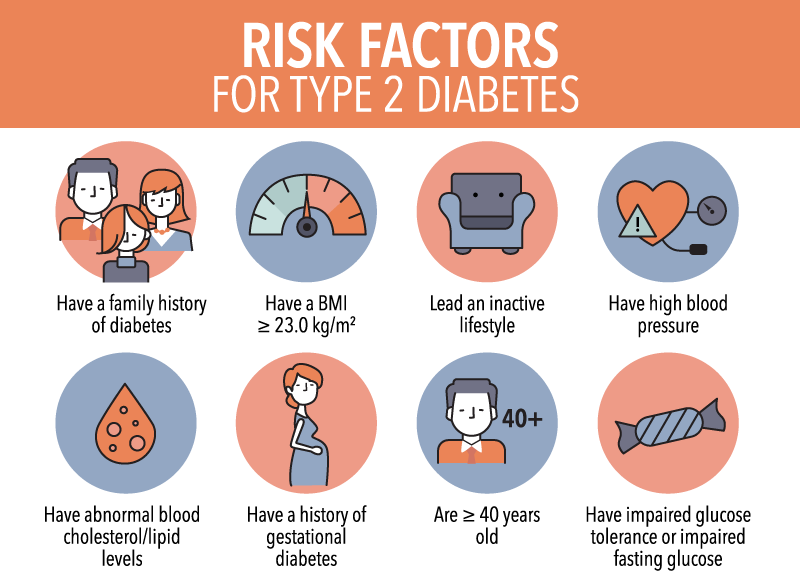
Risk Factors for Developing Type 2 Diabetes
Health Problems Related to Diabetes
- Heart disease and stroke – Adults with diabetes have a two- to three-fold increased risk of heart attacks and strokes
- Kidney disease – Diabetes is among the leading causes of kidney failure
- Eye problems – Diabetic retinopathy is an important cause of blindness and occurs as a result of long-term accumulated damage to the small blood vessels in the retina. Close to 1 million people are blind due to diabetes
- Dental disease
- Nerve damage
- Foot problems
- Combined with reduced blood flow, neuropathy (nerve damage) in the feet increases the chance of foot ulcers, infection and eventual need for limb amputation.
Preventing Diabetes
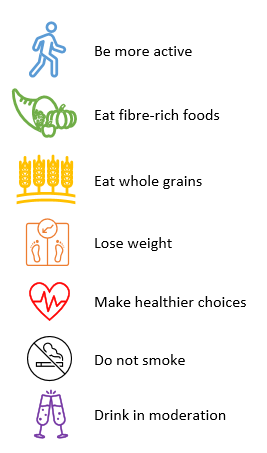
Simple lifestyle measures have been shown to be effective in preventing or delaying the onset of Type 2 diabetes.
To help prevent Type 2 diabetes and its complications, people should:
Diagnosis and Treatment
Early diagnosis can be accomplished through relatively inexpensive testing of blood sugar.
Treatment of diabetes involves diet and physical activity along with lowering of blood glucose and the levels of other known risk factors that damage blood vessels. Tobacco use cessation is also important to avoid complications.
Managing Diabetes
Unlike many health conditions, diabetes is managed mostly by you, with support from your health care team, family, and other important people in your life. Managing diabetes can be challenging, but everything you do to improve your health is worth it.
- Develop a healthy eating and activity plan
- Test your blood sugar and keep a record of the results
- Recognize the signs of high or low blood sugar and what to do about it
- If needed, give yourself insulin by syringe, pen, or pump
- Monitor your feet, skin, and eyes to catch problems early
- Buy diabetes supplies and store them properly
- Manage stress and deal with daily diabetes care
