
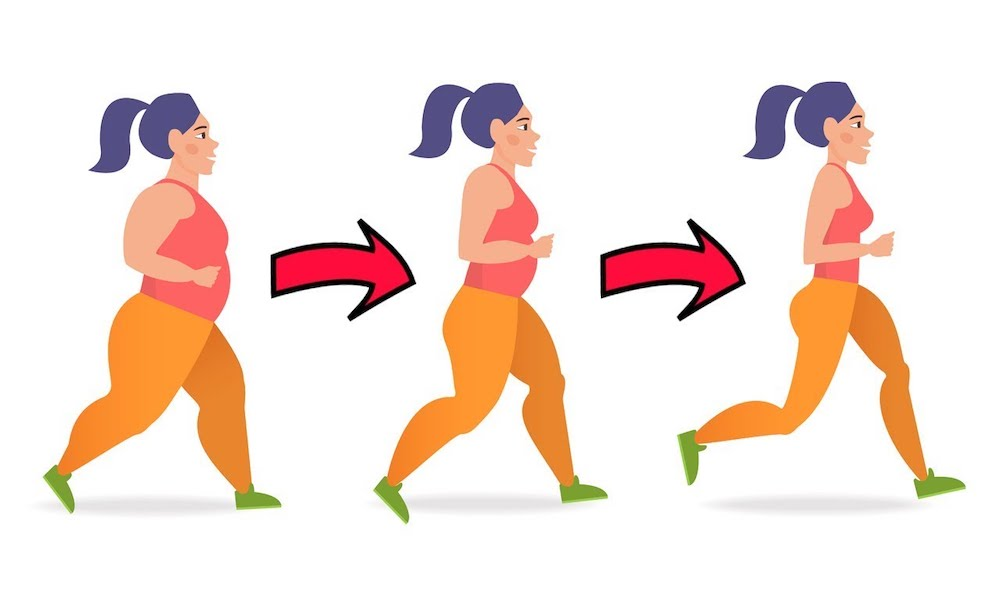
Weight Loss Options
Committing to changes in your lifestyle is essential for long-term weight loss and weight management. If you want to lose weight and keep it off, you need to change your energy balance by taking in less energy than what your body uses. You can do this by altering your diet (eating habits, portions and healthy food), increasing exercise and changing your behaviour.
- In Body Test. A non-invasive, quick, and accurate body composition analysis that provides a detailed breakdown of your weight in terms of muscle, fat, and water. The biometric analysis of your body composition provides valuable insights into your health and wellness. These insights include: (1) understanding your weight, (2) measuring your strength, (3) setting goals, and (4) tracking your progress. The In Body Test is available at Bromhof Medical Centre at a cost of R450.00 and takes approximately 30 minutes to conduct the assessment and interpret the results.
- Prescription Medication. Your doctor can prescribe medications such as appetite suppressants that will aid weight loss. This should be used as part of an overall weight loss program that includes a healthy diet, exercise and behavioural changes.
- Behavioural Changes. It is important to recognize your role, behaviours and other factors that have contributes to you becoming overweight or that have impeded your weight loss journey. Physical and psychological factors have to be considered. Therefore, your doctor may refer you to a psychologist to aid your weight loss journey. In addition, it is highly recommended that you incorporate a form of exercise into your routine that facilitates weight loss and holds many psychological benefits as well.
- Diet. This refers to sustainable, balanced eating habits. Therefore, making long-lasting lifestyle changes that can positively affect your health. A “diet” may invoke images of eating very little food which is bland and unenjoyable. In contrast, you should be making changes to your eating habits that you are able to sustain for a lifetime. This means including enjoyable foods but doing so in moderation. Weight loss comes down to consuming less energy than you spend. Therefore, it is possible to include foods that you love into your diet as long as you maintain an overall caloric deficit. A very low-calorie diet is generally only recommended for those that are obese or severely obese and have a pressing medical reason to lose weight quickly.
Weight Loss Tips
- Do not make any changes you are not willing to live with for the rest of your life. If you do not want to run for two hours on a treadmill for the rest of your life, then don’t do it now. If you do not want to give up dessert for the rest of your life, don’t do it now. For instance, look at the contestants of The Biggest Loser. They work out for eight hours a day while living off of salad and grilled chicken – sounds like a miserable way to live. One year later, they follow up with the contestants and you’ll see that most of them have gained their weight back. This is because the routine they had to follow on the show was not a sustainable lifestyle. Therefore, we should do now what we plan to do forever in order to make those changes last.
- Make the single change that has the largest impact. You are likely aware of what is keeping you from your weight loss goals. Perhaps it is snacking from the vending machine all day, ordering fast food for lunch at work, emotional eating, or late-night binge eating. Think about whether this habit you have is the most significant for keeping your from losing the weight. Then make a plan to change that habit – just the one. It is not necessary to make several crazy changes, rather focus on changing a single significant habit.
- Start by drawing up a table with three columns. In the first column, list the top three habits that you believe are contributing to your excess weight (e.g., I dine out too frequently and splurge on restaurant/takeout meals). In the second column, list how these habits look in the perfect world, if you did not have excess weight (e.g., I eat most meals at home and make healthy, conscious choices at restaurants). In the third column, list your compromises. That is, what are you willing to come to the ideal habit in column 2. This is a compromise that is not only possible for you to make but something you are willing to change forever (e.g., I am willing to choose between appetizer, dessert, and drink, only one. I do not need them all. I am willing to dine about 2 times a week).
- Do not give up when you break one of the “rules” you set for yourself. It is easy to say: “Well, I already failed, so I might as well just wait until next Monday, January 1st, or whenever.” We always make mistakes, it is inevitable. Plan for it and do not allow a mistake to derail your goals. Furthermore, if we write our own rules, we come up with our own habits that aren’t completely miserable, we won’t dread doing them.
- To quit one habit, you have to replace it with an alternative. Finding distraction is a good way to get through the first few weeks or months of changing old habits.
- Keep it simple. The more complicated our diet or weight loss plans, the more we try and focus on them, and the easier it is to give up. Customize your plan for your lifestyle.
